5 Exercises You Can Do During Ramadan
SQUATWOLF

Summary
-
You can exercise during Ramadan while fasting if you keep workouts low-impact and low to moderate intensity, so you protect energy, hydration, and recovery.
-
The best Ramadan-friendly exercises are walking, yoga, bodyweight workouts, swimming, and cycling; they support fitness, posture, and stress management without draining you.
-
Workout timing matters most: train after Iftar for better performance, or go light before Iftar if that’s your only window; avoid hard training while dehydrated.
-
Hydration + nutrition during non-fasting hours is your performance “fuel", prioritize water, electrolytes, protein, and balanced meals to avoid fatigue and dizziness.
-
The key to seeing results in Ramadan is consistency over intensity; short sessions, smart pacing, and listening to your body beats forcing heavy workouts.
5 Exercises You Can Do During Ramadan
Here are 5 low impact exercises you can do during Ramadan:
1. Walking
Walking is simple, underrated, and honestly one of the best ways to stay active during Ramadan. It’s low-impact, easy on the joints, and works for every fitness level.
If you want something you can actually stay consistent with, walking is it. You can walk in the morning, evening, or whenever you have time, plus it’s a great way to clear your head, get some fresh air, and reset your mood.
Trying to get active? Check out these 5 steps to start your workout journey!
2. Yoga
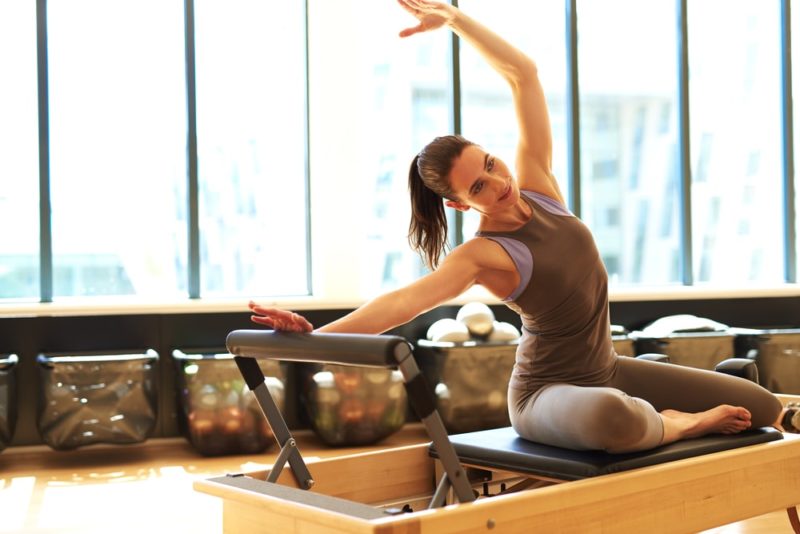
Yoga is perfect when you want movement without feeling drained. It helps with flexibility, posture, stress relief, and staying mentally calm which honestly pairs beautifully with Ramadan.
There are different styles too, so you can go gentle (stretch + breathing) or a bit more challenging depending on your energy. You can do yoga at the gym, a studio, or at home, some people even enjoy group yoga outdoors.
Considering something more intense? Learn the difference between Yoga Vs. Pilates and choose which one's better for you!
3. Bodyweight Exercises

Bodyweight exercises like push-ups, squats, and lunges are a solid Ramadan option because you don’t need equipment and you can scale them easily.
Want it easier? Do incline push-ups and shallow squats. Want it harder? Slow the tempo or add reps. You can do them at home, in a park, or anywhere you’ve got a bit of space.
Try this bodyweight workout plan to build muscle and stay active in Ramadan!
4. Swimming
If Ramadan falls in hotter months, swimming can feel like a cheat code. It’s low-impact, full-body, and helps you stay cool while still getting a solid cardio session.
Just be smart with timing, many people prefer swimming before iftar or after Taraweeh, depending on schedule and energy.
Thinking of doing workouts while fasting? Check out Tam Khan's intermittent fasting and workout guide!
5. Cycling
Cycling is another low-impact way to stay active without overloading your joints. It can be light and relaxing, or slightly more intense depending on your pace.
You can cycle to run errands, head to the mosque, or just take a short loop around your area. Keep it moderate and you’ll feel good not wiped out.
Discover how to get fit in Ramadan!
Tips & Techniques
Time Your Exercise
The best time to exercise during Ramadan is either before dawn or after sunset. This way, you can avoid exercising during the hottest times of the day and ensure that you have enough energy to complete your workout.
Check out these 15 Ramadan tips to stay active and fit during the holy month!
Choose Low-impact Exercises
Low-impact exercises, such as walking, are great options during Ramadan. These exercises are easy on the joints and can be modified to your fitness level. Bodyweight exercises, such as push-ups, squats, and lunges, are also great options that require no equipment. Some of the easiest low-impact workout options include:
- Walking Lunges
- Wall Push-ups
- Cat-Cow Stretch
- Side Leg Raises
- Bird-Dog
- Squats to Chair
- Standing Calf Raises
- Plank Hold
- Glute Bridge
- Modified Yoga Sun Salutations
Don't overlook your nutrition this month - check out the complete Ramadan diet plan so you stick to your goals this month!
Stay Hydrated
It is essential to stay hydrated during Ramadan, especially if you are exercising. Be sure to drink plenty of water and other fluids during non-fasting hours to avoid dehydration.
Check out more of the Ramadan nutrition do's and don'ts.
Listen to Your Body
It's important to listen to your body and start slowly when it comes to exercise during Ramadan. If you feel tired or dizzy, stop exercising and rest. Remember, fasting is a form of self-discipline, and it's important to prioritize your health and well-being during this holy month.
Conclusion
Exercise is an essential component of a healthy lifestyle, and this holds true even during Ramadan. Engaging in physical activity can help individuals maintain their physical fitness, mental health, and overall well-being during the fasting month.
While it may be challenging to maintain regular exercise routines while observing Ramadan, it is not impossible. With proper planning, hydration, and pacing, individuals can continue to stay active and reap the benefits of exercise while fasting.
Look at Mahmood Hussein's guide on Ramadan food and workout for inspiration. Ultimately, prioritizing exercise during Ramadan can help you maintain a healthy lifestyle and promote physical and mental resilience during the holy month.
FAQs
What exercises can you do during Ramadan?
The best exercises during Ramadan are low-impact workouts like walking, yoga, cycling, swimming, and simple bodyweight exercises. These keep you active without draining your energy while fasting. If you want to add strength work, keep it light and controlled. Aim for 20–45 minutes max and focus on consistency. Your goal in Ramadan is maintenance and steady progress—not max intensity.
What exercises can I do while fasting?
While fasting, stick to light movement like walking, mobility work, gentle yoga, or a short bodyweight circuit (squats, lunges, push-ups). The safest time is close to iftar so you can rehydrate soon after. Avoid intense cardio or heavy lifting when you’re dehydrated. Keep your session short and stop if you feel dizzy. Think “easy but consistent.”
How to work out when Ramadan is?
Plan your workouts around hydration and energy. The easiest option is training after iftar when you’ve had fluids and a small meal. If your schedule is tight, do a light workout before iftar and refuel right after. Keep workouts 3–4 times per week and reduce intensity compared to normal training. Focus on low-impact movement, good sleep, and balanced meals between iftar and suhoor.
Is it a good idea to workout during Ramadan?
Yes—working out during Ramadan can be a great idea if you train smart. Exercise supports weight management, stress relief, and overall health during fasting. The key is choosing the right intensity and timing so you don’t over-fatigue or dehydrate yourself. Low to moderate intensity works best for most people. If you listen to your body and hydrate well after sunset, you’ll be fine.