A Ramadan Diet Plan to Keep You Sorted Through the Month
SQUATWOLF

Summary
-
The best Ramadan diet plan focuses on balanced Iftar and Suhoor meals with protein, complex carbs, healthy fats, fruits, vegetables, and proper hydration.
-
To lose weight during Ramadan without losing muscle, prioritize protein intake (1.6–2g per kg bodyweight), avoid overeating at Iftar, and keep workouts moderate.
-
The smartest way to stay energized while fasting is to space hydration between Iftar and Suhoor, include electrolytes, and avoid excessive caffeine and processed food.
-
A sustainable Ramadan nutrition plan supports body recomposition, fat loss, muscle preservation, and stable blood sugar levels.
-
If you train during Ramadan, your meals should fuel performance and recovery and lightweight performance wear from our Ramadan Edit helps you stay comfortable during late-night workouts.
The month of Ramadan is here and this is good news for all you fitness freaks out there. No! You cannot stop working out just because you are fasting. You should take advantage of this month to the fullest and carefully choose the foods to eat in Ramadan that will keep you satiated, energized and on-track with your fitness goals. Yes, it is a struggle to work out in Ramadan.
However, the bigger concern is being reckless with what you put in your body and having unhealthy eating patterns. This can have its effects even after Ramadan, if you aren’t careful.
If you're trying to self-improve, then learn how to get fit in Ramadan.
The Complete Ramadan Diet Plan
Iftar

As opposed to popular opinion, iftar shouldn’t be seen as an all-out feast. It should only be considered as a small meal to replenish your water and natural sugars. So keep your hands off of all those fried goodies and calm yourself down.
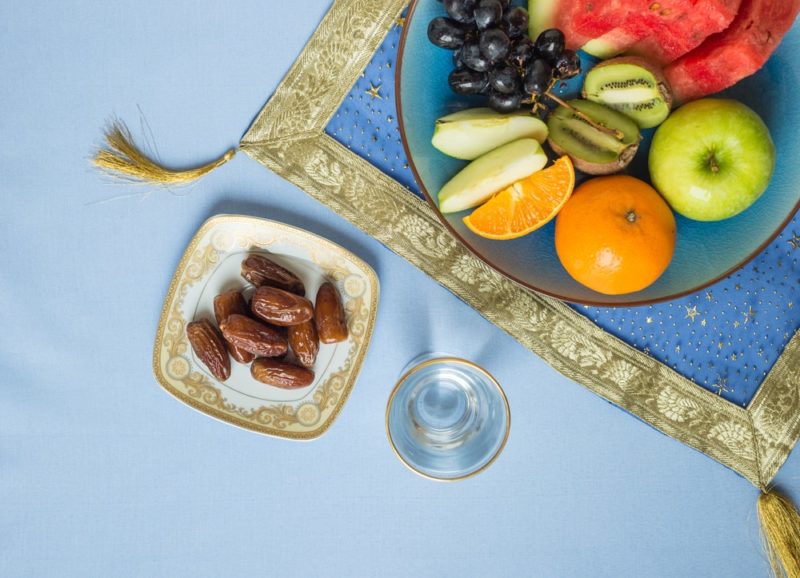
Opt for fruits, fresh juices, and milk to bring your water levels and nutrients back up, giving you enough energy for the post tarawih workout. Iftar should not be the biggest meal of the day, it should simply be a refreshment for when you break your fast. Keep some room for your dinner.
Learn more about the Ramadan food and diet plan from none other than Mahmood Hussein so you're consuming a healthy diet throughout the month!
Dinner

Dinner should be the most massive meal you have during the month of Ramadan. You need to stay calculated with what you intake for dinner and we are here to guide you.
Complex Carbs
Carbs are important since they slowly release energy throughout the day. This can be your fuel to get through the day on an empty stomach. Some great sources of complex carbs can be rice, whole grain bread, oats, lentils and potatoes.
Learn more about Ramadan nutrition do's and don'ts so you can stay healthy and fulfilled throughout this month,
Proteins
Proteins take the longest time to break down. The slow process helps you curb any cravings you might have. This can also be a great option for muscles if you are having dinner after your daily workout. A few examples for this can be baked or grilled chicken, beef, lamb, eggs, chickpeas, bean, fish and other seafood.
Vegetables
Vegetables can be a great source of fibers and since they are low in calories, they can help you get lean. Some of the vegetables that can help you during this month are green leafy vegetables, onion, cucumbers, carrots, and cauliflower. Want some light Iftar options? Prep these 5 vegetarian recipes under 500 calories!
Dairy
Dairy is not very popular but essential to give you those much-needed nutrients. Some people may be lactose intolerant, but it can be consumed in different forms and moderate amounts. Try adding cheese slices, yogurt, or cottage cheese to your dinner is Ramadan.
If you struggle with gut health, try healthy snacks on Iftar!
Healthy Fats
You will have to add healthy fats mostly during your cooking or prep. They are high in calories so they should be consumed in small amounts but can serve as extremely beneficial for you during your fasting hours as you will have more energy. A few examples of healthy fats are avocado, hummus, and olive oil.
Learn the right way to do intermittent fasting this Ramadan to lose weight!
Suhoor
Suhoor is basically your last refill before the fast begins so you need to make sure that you consume all the essential nutrients you need to go on the rest of the day. It is advised to have complex carbs, proteins, and healthy fats during Suhoor keeping you filled and energetic for several hours. Be sure to not overeat as it can make you lethargic the rest of the day. Peanut butter toast with banana slices, eggs and smoothies can be a great option for Suhoor.
Want to really burn calories and feel your best this month? Check out Tam Khan's guide on intermittent fasting and working out!
Food You Need to Avoid

These foods are a big “No No” during Ramadan. As difficult as this may seem, try to avoid them as much as possible.
- Fast and processed food, such as burger, chips, deep fried chicken and samosas are not a good option.
- Refined carbs such as white bread and white flour should be avoided as much as possible.
- Too much fatty foods such as oily curries and anything fried which drips of oil. Is going to destroy your body. Don’t do that to yourself.
- Too much sugar is never good this means try holding back on the pastry, cakes, traditional sweets, etc.
- Avoid spicy food which may upset the stomach with indigestion and bloating.
- Reduce your caffeine intake from coffee, tea, and sodas as it dehydrates the body.
Restructure your diet and workout routine with these 15 tips this Ramadan!
A Diet Plan for Ramadan

This plan is for 10 days which can be repeated for each Ashra. Keep in mind that this plan is not ironclad and you can make a few amendments to it as necessary.
For a deeper understanding of your diet, nutrition and overall plan, take a look at the complete guide to fasting!
In Conclusion
Ramadan can be a fitness freak's nightmare or the best month of the year depending on how you look at it. Most people that are looking to lose weight use Ramadan as the perfect month to do so. Keep in mind that you cannot use Ramadan as an excuse to not work out. Eating healthy and exercising is a way to take care of your body and taking care of your health is a blessed act.
FAQs
Are 2 eggs enough for Suhoor?
Two eggs are a solid protein source for Suhoor, but they may not be enough on their own if you are active or training. Eggs provide healthy fats and high-quality protein, but pairing them with complex carbohydrates like oats or whole grain toast improves sustained energy. If your goal is muscle maintenance during Ramadan, consider adding yogurt, a whey protein shake, or nuts. Balanced hydration between Iftar and Suhoor is equally important. A structured Suhoor helps prevent fatigue and muscle loss during fasting hours.
How to not get skinny in Ramadan?
To prevent muscle loss in Ramadan, prioritize adequate protein intake (1.6–2g per kg bodyweight) and maintain strength training 3–4 times per week. Avoid skipping Suhoor and do not drastically reduce calories. Focus on balanced meals with protein, complex carbs, and healthy fats. Keep cardio moderate and avoid overtraining while dehydrated. Muscle maintenance during Ramadan depends on smart nutrition and consistent workouts.
How to lose 10 pounds in Ramadan?
Losing 10 pounds during Ramadan is possible if done safely and gradually. Create a small calorie deficit by controlling portions at Iftar and limiting fried or sugary foods. Prioritize protein intake to maintain muscle mass while promoting fat loss. Stay active with daily walking and moderate strength training sessions. Hydration between Iftar and Suhoor supports metabolism and energy. Sustainable weight loss during Ramadan comes from discipline and balance, not extreme restriction.
What are common mistakes to avoid during Ramadan?
Common Ramadan mistakes include overeating at Iftar, skipping Suhoor, consuming excessive caffeine, neglecting protein intake, and performing high-intensity workouts while dehydrated. Many assume fasting automatically leads to weight loss, but poor meal choices can cause weight gain. Deep-fried foods and sugary desserts reduce energy levels and increase cravings. Structured meals, hydration, and smart workout timing help maintain muscle and energy during Ramadan.